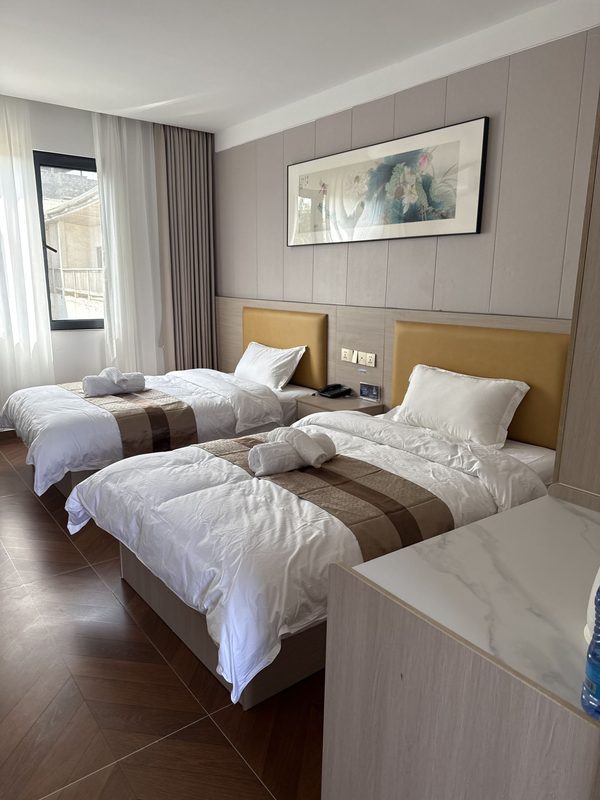

Things to Do in Lome in December
December weather, activities, events & insider tips
Low Season · Budget Friendly
December Weather in Lome
Long-run averages for December
91°F (33°C)
High Temp
75°F (24°C)
Low Temp
0.3 inches (8 mm)
Rainfall
77%
Humidity
8
Sunny-Day UV
⚠ The Harmattan wind arrives in late December. Fine Saharan dust reduces visibility. Airways get irritated. Every exposed surface turns grey. Travelers with asthma must carry medication. Respiratory conditions need extra care. Limit outdoor exposure during dusty days. Stay indoors. Breathe carefully.
⚠ Equatorial sun intensity stays high. Haze offers little protection. Harmattan dust diffuses light. The glow feels deceptively mild. Sunburn still develops quickly. Protective clothing blocks rays. High-SPF sunscreen prevents damage. Apply generously. Cover your skin. Reapply.
Is December Right for You?
Weigh the advantages and considerations before booking
Advantages
- + December is Lome's driest month. Just 8 mm (0.3 inches) falls across the entire calendar. The wet season ended weeks ago. The laterite roads outside the capital have hardened. The lagoons east of the city have receded enough to expose sandy paths connecting fishing villages along the coast. Plan outdoor days without backup.
- + The Harmattan has not yet thickened. Early December sits in a brief window. October's rains have passed. The heavy Saharan dust of January and February has not arrived. Skies are hazy but still blue enough to see across the Bight of Benin from the Lomé coastline. Sunsets over the Gulf of Guinea turn copper-orange. The cleaner months never produce this light.
- + Prices stay close to annual baselines. Lome does not experience peak-season inflation. Coastal West African cities like Accra or Dakar see this in December. Lome's tourism infrastructure remains modest. Holiday traffic is mostly regional, not intercontinental. Find availability without booking months ahead.
- + The cultural calendar picks up. Christmas in Lome is loud. The Ewe and Mina communities celebrate with outdoor gatherings spilling across neighbourhoods. The live music scene along beachfront bars east of the port runs later and louder than any other month. The city's energy shifts after mid-December.
Considerations
- − The heat is unrelenting. Highs hit 33°C (91°F). Lows rarely drop below 24°C (75°F). December in Lome feels like standing in a slow oven with 77% humidity. The sea breeze helps along the coast. Move inland toward the Grand Marché and the air sits heavy and still between concrete buildings. Midday walking is uncomfortable.
- − The Harmattan is arriving. Early December is usually clear. By the third week you may notice fine Saharan dust settling on every surface. Feel grit in your throat. See milky light. For travelers with respiratory sensitivities, this matters. The dust intensifies through January. December is the leading edge.
- − Lome's tourism infrastructure remains limited compared to other West African capitals. Expect power outages lasting thirty minutes to several hours. Expect inconsistent hot water in mid-range lodgings. Expect navigable but rarely smooth roads. December does not worsen these issues. It does not fix them either. The heat makes every inconvenience feel sharper.
Best Activities in December
Top things to do during your visit
Lomé in December belongs to the dry season in the most literal sense. With an average high near 33°C and barely a trace of rain, roughly 8 millimetres for the entire month, the capital of Togo enters a stretch of cloudless, salt-heavy heat that clears the air over the Gulf of Guinea and turns the city's laterite backstreets the colour of cinnamon. The harmattan has not yet thickened into its grey, dust-laden worst. That comes in January and February. So December delivers what the rest of the West African coast rarely does: unbroken sun, warm nights that settle around 24°C, and an atmosphere dry enough to make long walks through the Grand Marché bearable rather than punishing. The ocean stays bath-warm. The coconut palms along the Boulevard de la République throw long afternoon shadows across the sand. This is the month when Lomé's outdoor life opens up fully. Fishermen haul pirogues onto the beach at dawn, the slap and scrape of wood on wet sand echoing along the shore as the first smoke from charcoal grills drifts across the Aneho road. Street-side vendors stack pyramids of ripe mangoes and papayas outside the Assigamé quarter. The sharp, fermented tang of tchoukoutou, a millet beer brewed in clay pots, rises from open-air bars in the Bè neighbourhood. After months of intermittent downpours that peak in June at over 180 millimetres, December's near-total drought transforms the city's rhythm. Roads that were slick and puddled are now dusty and navigable. The lagoon behind the port stills to a mirror. Locals shift their socialising outdoors, and the night air hums with Afrobeat basslines from speakers stacked in front of maquis, the casual open-air restaurants where grilled tilapia arrives on metal platters with piment sauce so sharp it stings the back of your throat. Eating in Lomé deserves more than a passing mention. The city's food scene draws from Ewe, Kabyè, and broader West African traditions, and December's dry weather means more vendors set up along the coastline and near the old German colonial quarter. Look for fufu pounded to a silken, elastic consistency alongside a groundnut soup whose aroma, earthy, thick with smoked fish and scotch bonnet, announces itself from half a block away. The beachfront stretch west of the port is where most of the city's accommodation clusters, with options running from bare-bones guesthouses to a handful of international-standard properties along the coastal road. Nightlife in Lomé concentrates around the Hédzranawoé and Kodjoviakopé neighbourhoods, where open-air bars keep the music going until the small hours on weekends. Safety follows the pattern of most West African capitals: the central districts and beach road are well-trafficked and comfortable after dark. But quiet residential streets warrant the same common sense you would apply in any unfamiliar city. Stick to lit roads, keep valuables out of sight, and take official taxis identified by their green-and-yellow markings.

Guided tour of the city of Lomé
guided_experienceA full guided circuit of Lomé on foot and by vehicle covers ground that most visitors would take days to piece together alone: the crumbling German colonial warehouses along the port road, the soaring white needle of the Independence Monument, and the large interior of the Grand Marché, a multistorey labyrinth where the smell of shea butter, dried shrimp, and dyed wax-print fabric saturates every corridor. The tour connects these landmarks with the less obvious quarters: the Fetish Market at Akodésséwa, where dried chameleons and porcupine quills are laid out on low wooden tables under corrugated zinc roofing, and the artisan district where ironworkers hammer recycled metal into sculpture, the clang of steel on steel carrying across the lane.
Lomé reveals its logic, colonial geometry, market economics, spiritual practice, only when someone who knows the city threads the pieces together for you.
Insider tip: Start early in the morning before the midday heat peaks. The Grand Marché is cooler and less crowded before ten, and the light in the Fetish Market photographs best when the sun is still low and angled.
This month: December's dry, clear skies and lower humidity make a full-day walking tour considerably more comfortable than the same route during the rainy months from April through June.

Private full day to see the best of Lomé-TOGO
day_tripThis private day-long itinerary compresses the capital's essential geography into a single sweep: the waterfront promenade where waves crash against the black volcanic rock of the breakwater, the tight commercial alleys of the central market district where bolts of printed cotton are stacked floor to ceiling in wooden stalls, and the quieter residential lanes of the old Bè quarter where colonial-era bungalows sit behind bougainvillea hedges still damp with morning dew. The private format means the route flexes around what catches your attention. An unplanned stop at a roadside attiéké stand, where the cassava couscous arrives still steaming with a side of fried plantain, is as valid as a longer pause at the Palais des Congrès.
A private itinerary lets you follow your own curiosity through Lomé rather than ticking landmarks off someone else's list.
Insider tip: Ask your guide to include a stop at the Lomé fishing harbour in the late afternoon, when the pirogues come in and the catch is auctioned dockside. The energy is electric, the smell of salt and fresh fish overwhelming, and few tourists witness it.

Kpalimé & Mont Agou: Adventure in the Heart of the Wonders of Togo
otherLeaving Lomé's flat coastal heat behind, this excursion climbs northwest into the Plateaux Region, where the landscape shifts dramatically. The scrubby savannah gives way to dense tropical forest, and the air cools as the road winds upward toward Kpalimé, a hill town surrounded by cacao and coffee plantations. Mont Agou, at 986 metres the highest point in Togo, rises above the canopy in a series of green ridges often wrapped in low cloud, though December's dry conditions improve the odds of a clear summit view. The forest trails smell of wet earth and decomposing leaves even in the dry season, and the birdlife, turacos, hornbills, sunbirds flashing iridescent green, provides a soundtrack of calls that echoes through the canopy.
Mont Agou and the forests around Kpalimé are the antidote to coastal Lomé: cooler air, vertical terrain, and a landscape that feels like a different country entirely.
Insider tip: Wear sturdy closed-toe shoes with grip. The trail to the summit of Mont Agou crosses exposed laterite that can be slippery even in dry weather, and the final section is steep enough to require hands on rock.
This month: December's minimal rainfall and reduced cloud cover give the best chance of clear views from the Mont Agou summit, which is frequently obscured during the wetter months.

Historical Tour to Togoville
culturalTogoville sits across the shallow, sun-bright waters of Lake Togo, reached by a motorised pirogue that cuts through floating hyacinth patches while egrets lift off from the shoreline in slow, white arcs. This is the town where the German colonial treaty was signed in 1884, the event that created Togoland as a political entity, and the weight of that history is palpable in the old Catholic cathedral, whose stained glass throws coloured light across worn wooden pews, and in the voodoo shrines scattered through the residential quarters, where offerings of palm oil and ground maize sit on low altars under the shade of neem trees. The air in Togoville is quieter than Lomé, thick with the scent of woodsmoke and the sound of chickens scratching in red-earth courtyards.
Togoville is where Togo's colonial and spiritual histories converge in a single small town, and the lake crossing alone, water stretching flat to the horizon, pirogues gliding past, justifies the trip.
Insider tip: Arrange to visit the shrine of the local voodoo priest if your guide offers; a small respectful contribution is expected, and the conversation, translated from Ewe, provides context that no museum in Lomé can match.
This month: The lake level is lower in December after the long dry-down from the October rains, making the crossing calmer and the shoreline more accessible for landing.

Private transfer from Lomé Airport to Lomé
transportGnassingbé Eyadéma International Airport sits on the eastern fringe of the city, and the road into central Lomé passes through a corridor of low commercial buildings, motorcycle repair shops spilling tools onto the pavement, and roadside stalls where the glow of kerosene lamps marks the transition from airport tarmac to city life. A private transfer eliminates the negotiation with freelance taxi drivers at the arrivals hall, a process that can be disorienting after a long flight, at night when the airport road is poorly lit and crowded with motos weaving between lanes.
Arriving in a West African capital for the first time is smoother when someone is holding a sign with your name on it and the route to your hotel is already settled.
Insider tip: Confirm the vehicle type and air conditioning in advance. The drive into central Lomé takes roughly twenty to thirty minutes depending on traffic, and December's heat makes a non-air-conditioned car uncomfortable even after sundown.

Lomé authentic tour
guided_experienceThis tour gets beneath the postcard version of Lomé and into the texture of daily life: the rhythmic thud of women pounding yam in wooden mortars in the Bè quarter, the sharp chemical bite of indigo dye vats in the artisan workshops near the port, and the low murmur of haggling at neighbourhood markets where the goods are not souvenirs but the actual staples of Togolese cooking: smoked herring stacked in dark, oily pyramids, fermented locust beans wrapped in banana leaves, and palm oil so red it stains the wooden ladles used to scoop it. The route threads through residential neighbourhoods that organised tours rarely enter, where the architecture shifts from concrete commercial blocks to single-storey family compounds built around shared courtyards.
Lomé's most revealing moments happen in ordinary neighbourhoods, not at monuments, and this tour is built around that principle.
Insider tip: Bring a reusable water bottle and fill it before departure. The neighbourhood sections of this tour move through areas where bottled water vendors are sparse, and December's heat dehydrates faster than most visitors expect.
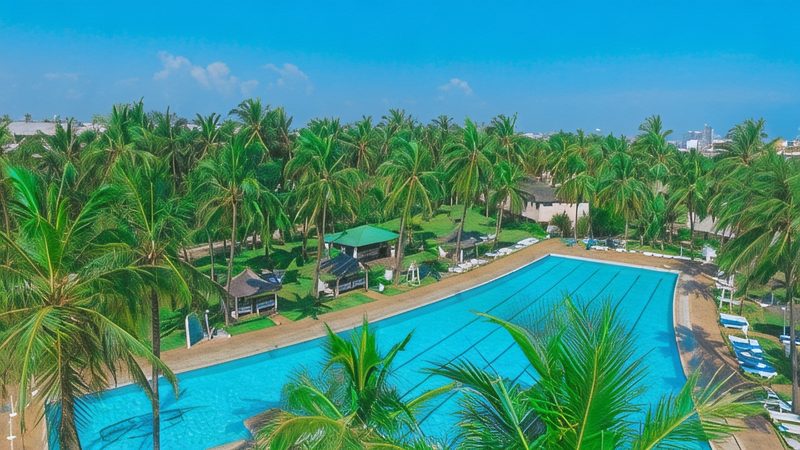
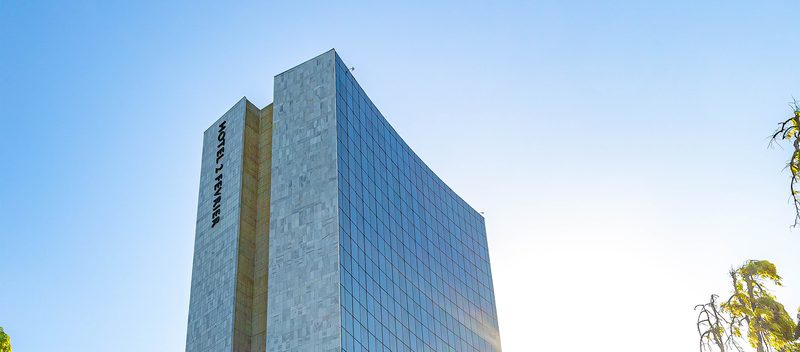
Where to Stay in Lome in December
Hand-picked hotels across price tiers for December travellers.
Public Holidays in December
Dates that affect opening hours, transport and crowds
Christmas Day
Observed nationwide as a public holiday.
Christmas Day
Observed nationwide as a public holiday.
Christmas Day
Observed nationwide as a public holiday.
Packing Checklist
Bookmark this page — your progress is saved between visits
Need the full list with shopping links?
Climate-specific gear, brand recommendations, and what to leave at home.
View Lome Packing List →Essential Tips
Insider knowledge and common pitfalls to avoid
Insider Knowledge
Visit the beachfront bars east of the port early. Head toward Baguida. Lome comes alive after dark in December. The ocean breeze drops the temperature by a few degrees. Sound systems compete with the surf. Grilled fish on metal trays with piment sauce beats any proper restaurant. Go after 9 PM when the crowd has arrived. Energy settles into its rhythm. The atmosphere builds slowly. You will hear drums before you see stages. Stay until midnight. The nights last long.
Hire moto-taxi drivers called zemidjans. They move fastest through Lome's traffic. Negotiate the fare before you climb on. Carry small bills. December brings thickening Harmattan dust. A face covering during the ride is not paranoia. It is self-preservation. Red laterite dust coats your face. Traffic kicks up grit. Clothes get stained within minutes. Wear a scarf. Protect your lungs. The ride moves quickly. You will arrive intact.
Visit the Akodessewa Fetish Market. Go with a local guide. Build relationships with vendors. The market is not a performance. Voodoo traditions are living religious practices. Approach them with curiosity. Drop the spectacle mindset. Interactions change entirely. Photography requires negotiation. Ask first. A small contribution to the shrine is expected. It is appropriate. Respect the space. Leave quickly. The atmosphere demands seriousness. Do not rush. Follow local customs always.
Sunday mornings in Lome stay quiet. Churches in the Bè neighbourhood host services. Older buildings feature choir singing. The sound stops you in your tracks. Even non-religious visitors find these worth attending. The Grand Marché area shuts down on Sundays. Plan your market visits for weekdays. The full roster of traders shows up then. Arrive early. Stock up on supplies. The city slows down. Breathe it in slowly.
Avoid These Mistakes
Avoid walking everywhere in midday heat. Lome stretches along the coast. The distance from the Grand Marché to beach hotels east of the centre spans several kilometres. The road stays exposed. Shade remains minimal. Pavement radiates heat upward by noon. Humidity weighs down every step. Use zemidjans or taxis for midday transfers. Skip the walk. Save your steps for early morning. Late afternoon works better. Rest inside cool rooms.
Stop assuming credit cards work outside international hotels. Lome runs on cash. The West African CFA franc dominates daily transactions. ATMs exist in the city centre and near major intersections. Machines run out of cash. Systems go offline. Foreign cards get rejected without warning. Arrive with enough euros or dollars. Exchange them at a bureau. Carry a reserve. Keep it safe. Travel prepared.
Never photograph people without asking. Markets and voodoo sites demand respect. This practice is not a cultural nicety in Togo. It is a serious matter. Unsolicited photography at the fetish market often triggers confrontations. Always ask through your guide. Accept a refusal gracefully. The offering requested in exchange forms a reciprocal relationship. Do not treat it as a tourist tax. Watch your camera closely.
Ready to plan your trip to Lome?
Now that you've got the research covered, here's where to go next.
Explore More Activities in Lome
Didn't see anything interesting yet?
Browse Viator's full catalog of tours, day trips, food experiences, and private guides in Lome.
See All Lome Tours on Viator